







Search Results for: balance of sourness

Choosing hand-brewed beans based on roast level: balanced coffee recommendations that are neither sour nor bitter, with harmonious acidity and sweetness
In the scoring system of coffee cupping, "balance" is not merely the equal presence of acidity, sweetness, and bitterness, but rather a comprehensive expression in which acidity, sweetness, body, and aftertaste harmonize with one another without any single element stealing the show. To achieve this kind of taste, the roast level is key: light roasts tend toward acidity with weak body, dark roasts have heavy caramelization with pronounced bitterness, and only medium roasting makes it easiest to balance both ends. This article starts from the definition of balance and sorts through four medium-roast single-origin pour-over beans that are neither sour nor bitter, including Front Street Coffee's Queen's Estate Yellow Bourbon from Brazil, Costa Rica Tarrazú, Papua New Guinea Bird of Paradise, and the recently popular Front Street Coffee Strawberry Candy Blend, as a reference for pour-over enthusiasts at different stages. [more…]
Balanced Hand-Drip Coffee Bean Recommendations: Medium-Roast Single-Origin and Blends That Are Neither Sour Nor Bitter
For many coffee lovers, an ideal pour-over coffee should possess a harmonious balance of acidity, sweetness, and bitterness, rather than any single flavor being too dominant. So how do you select a truly balanced option—neither too acidic nor too bitter—from a dazzling array of coffee beans? This article will start with the concept of "balance" in cupping, analyze the relationship between roast level and flavor expression, and focus on recommending several medium-roast beans from Front Street Coffee, including Brazil Queen's Estate Yellow Bourbon, Costa Rica Tarrazu, Papua New Guinea Bird of Paradise, and Strawberry Candy Blend. Whether you are a beginner just starting out or a user looking for cost-effective everyday beans, these coffees can deliver a smooth, balanced brewing experience. [more…]
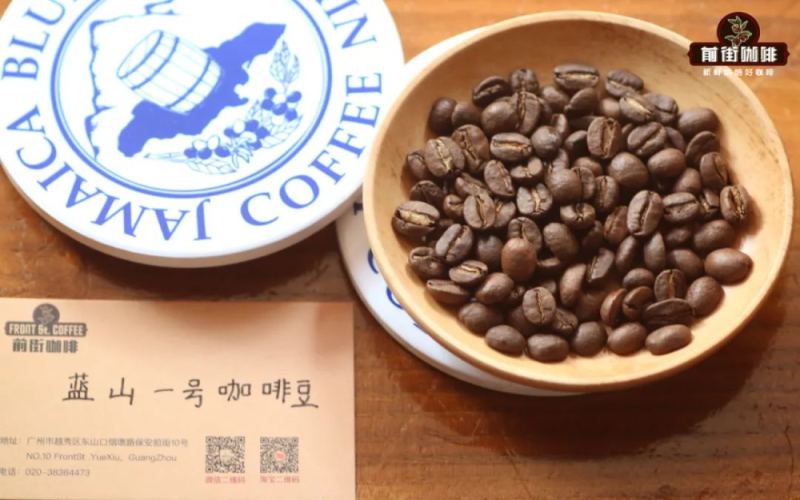
How Does Roast Level Shape Coffee Flavor? Starting with the Sweet, Sour, and Bitter Balance of Mandheling and Blue Mountain
What exactly determines whether coffee is sour or bitter? Many people think that Ethiopian beans tend to be sour and Mandheling tends to be bitter because of their origin, but the real dominant factor is actually the roast level. This article starts with the development phase after first crack and explains how the length of the development phase affects the caramelization reaction, thereby determining whether the coffee's flavor leans sour or bitter. At the same time, using Kenya, Blue Mountain, and Mandheling as examples, it explains that dark roasting is not a cover-up for poor quality—sweetness within bitterness and a rich, balanced cup are what these classic beans insist on. Front Street Coffee also shares related insights in the article. [more…]

Why Does Pour-Over Coffee Taste Sharply Sour? Analyzing Under-Extraction and How to Balance Sourness, Sweetness, and Bitterness
Many coffee enthusiasts enjoy a well-balanced pour-over in cafés, with its harmonious blend of acidity and sweetness, yet when they brew at home, they often end up with a sharp, jarring sourness that leaves them puzzled. In reality, the flavor of coffee depends on the proportions of three types of substances: acids, sugars, and bitters. Sharp sourness is often a sign of imbalance—it’s not necessarily that there are too many acidic compounds, but rather that not enough sweet and bitter substances have been extracted. Front Street Coffee will take a deep dive into the principles behind sharp sourness and, from three angles—lowering the coffee-to-water ratio, extending the extraction time, and raising the water temperature—provide concrete, actionable adjustments to help you brew a smooth, mellow pour-over at home. [more…]

Flavor-Balanced Specialty Coffee Beans That Are Neither Sour Nor Bitter: A Full Guide to Origins, Processing Methods, and Brewing Approaches
Coffee flavors vary enormously. Some people prefer bright fruity acidity, while others favor a rich, mellow bitterness. But many enthusiasts are constantly searching for a coffee that is round and balanced, neither sour nor bitter. This article starts from Front Street Coffee's product line and introduces five selected coffee beans with distinct styles, covering different origins such as Papua New Guinea, Brazil, Panama, and Yunnan, involving various processing methods such as washed, natural, and raisin honey, as well as different roasting curves such as medium and medium-light. Whether you are a coffee beginner just starting out or a seasoned player pursuing a specific flavor, you can find the bean that suits your taste, while also learning about each coffee's varietal origin, flavor characteristics, and suitable brewing equipment. [more…]

Medium-dark roast specialty coffee beans | What are some pour-over coffee beans that are neither sour nor bitter? Recommendations for single-origin beans with cocoa and dark chocolate coffee flavors
Nowadays, when tasting a cup of coffee, we are amazed by its bright, fruity acidity, and satisfied by its bitter-then-sweet, full-bodied taste. Traditional coffee smells fragrant but tastes bitter, which is hard to accept; even the sweet-and-sour light-roasted coffee is hard for some people to swallow. A customer saw Front [more…]

Don't like acidity or bitterness? These four Front Street Coffee pour-over beans are balanced, mellow, and easy to brew
In today's world of increasingly diverse coffee flavors, some people are obsessed with light-roasted beans with bright fruity acidity, while others prefer dark-roasted beans with a rich, sweet aftertaste. But there are still plenty of enthusiasts who just want a cup of coffee that is neither sour nor bitter—balanced and easy to drink. Front Street Coffee has selected four pour-over coffee beans from its extensive bean lineup that suit this kind of preference, covering origins such as Brazil, Costa Rica, and Papua New Guinea. All are medium roasts, brewing-friendly, with flavors dominated by nuts, chocolate, caramel, and cream, balancing sweetness and a sweet aftertaste. Whether you are a beginner just getting into pour-over or a seasoned connoisseur looking for an everyday staple, you can find that cup that is neither sour nor bitter, rich and easy to drink. [more…]
Not Bitter, Not Astringent, Not Sour: A Guide to Five Well-Balanced Specialty Pour-Over Coffee Beans by Category
The flavors of coffee are endlessly varied. Some people prefer bright acidity, while others are fond of deep, profound bitterness. But many enthusiasts lean toward a cup that is mellow in mouthfeel, neither sour nor astringent, with a lasting sweet aftertaste. To meet this demand, Front Street Coffee has selected five coffee beans with distinct styles, covering producing regions such as Papua New Guinea, Brazil, Panama, and Yunnan. From the balanced mellowness of Bird of Paradise, to the caramel sweetness of Queen's Manor, to the floral and fruity sweetness of Strawberry Candy, the interwoven sweetness and acidity of Butterfly, and the slightly acidic yet non-astringent character of Yunnan Typica, each one has been carefully roasted and processed, suitable for pour-over and other extraction methods. There is always one to match your taste preferences. [more…]
Italian Coffee Staple Beans | Why Is Americano Bitter? Recommended Espresso Blend Coffee Beans for a Smooth, Balanced Americano with No Sourness or Bitterness
Americano may have already become the mainstream choice in coffee shops, especially in summer—nothing beats the refreshing feeling of an iced Americano. Coffee has become a daily habit for many people; sometimes it's about savoring the slow moments of life, and other times it's to add a boost of mental energy to a weary life of day-night reversal. No [more…]
Pour-over light roast coffee too sour and hard to drink? Adjust grind, time, and water temperature to brew a sweet, balanced cup.
After specialty coffee became popular, light roasting gradually became the mainstream, and coffee's flavor shifted from a single note of bitterness to a layered richness of acidity. However, many people brewing at home always feel that the same beans taste noticeably different from what they get in a café—in the café, the sweetness and acidity are balanced, while what they brew themselves is sharp and astringent, like biting directly into a lemon. This gap usually stems from two aspects: first, the beans themselves have relatively high acidity; second, insufficient extraction prevents sweetness and bitterness from being released in time. This article will start with three key variables—grind size, extraction time, and brewing water temperature—to explain how to bring the sweet-to-sour ratio of light-roasted coffee back into balance, and will include a complete brewing demonstration of Front Street Yirgacheffe·Gededing for reference. [more…]

Coffee Roast Levels Explained | Which Medium Roast Coffee Beans Are Suitable for Espresso? Coffee Bean Recommendations for Super-Automatic Coffee Machines and Moka Pots
We often hear baristas describe all kinds of flavors. Though it sounds quite mysterious, they can roughly be divided into three categories: sour, bitter, and balanced sweet-and-sour, which correspond to light roast, dark roast, and medium roast respectively. Today Front Street will explain the characteristics of these roast levels, and also [more…]
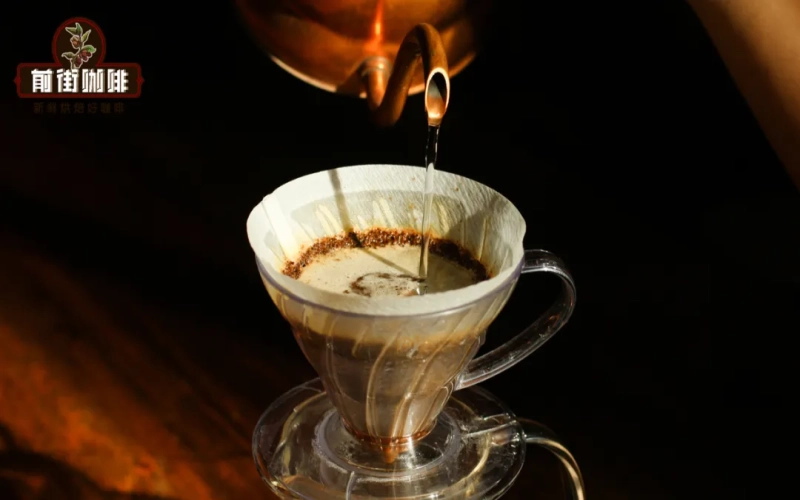
Can coffee grounds be brewed a second time? Analyzing why coffee, unlike tea leaves, cannot be repeatedly re-steeped from the perspective of extraction yield and flavor balance
A friend once asked while buying beans at the Front Street store: can coffee grounds that have already been brewed once be used again for a second cup? Some bloggers online have also demonstrated that a second brew can still yield decent flavor. From a practical standpoint, of course coffee grounds can be brewed again—even a third or fourth time. But "can be brewed" and "tastes good" are two entirely different matters. This article starts from actual tests on Front Street's Sidra, and combines the proportion of soluble matter, extraction yield control, and the differences in dissolution rates of acidity, sweetness, and bitterness to explain why coffee is usually brewed only once, and the fundamental reasons why a second brew tastes thin and lacks layering, before offering a conclusion that better suits the general palate. [more…]

Coffee Bean Basics for Beginners: A Guide to Single-Origin Pour-Over Varieties and Four Recommendations That Are Neither Sour Nor Bitter
When first getting into coffee, most people only perceive a single word: "bitter." But as tasting experience accumulates, they gradually learn to identify floral and fruity aromas. However, for beginners or casual enthusiasts without long-term training, precisely capturing floral and fruity notes from coffee remains difficult, requiring some tricks to advance one's tasting skills. Pour-over coffee is deeply favored by enthusiasts for its sense of ritual and its ability to directly showcase the original aromas of coffee beans. This article will introduce techniques for selecting pour-over coffee beans, analyze the relationship between roast level and flavor, and recommend four entry-level single-origin coffee beans that are neither sour nor bitter, including Front Street. Brazil Queen's Estate Yellow Bourbon, Front Street. Costa Rica Tarrazú, Front Street. Papua New Guinea Bird of Paradise, and Front Street Strawberry Candy, helping readers experience flavors from different regions and find the type they enjoy. [more…]
Espresso Medium Roast Bean Buying Guide: Acidity Differences Between Light and Medium Roasts and Front Street Coffee's Recommended Bean List
Coffee flavors are endlessly varied, but from a macro perspective, they boil down to three main directions: sour, bitter, and balanced sweet-and-sour, which correspond exactly to light, dark, and medium roasts. The degree of roasting largely determines the final flavor expression of coffee beans. If you want to make good espresso, choosing the right roast level is the first step. In this article, Front Street will systematically sort out the flavor characteristics and suitable uses of light, medium, medium-dark, and dark roasts, with a focus on medium-roast coffee beans suitable for making espresso, and will include a specific list of Front Street recommended beans to help coffee lovers quickly find the right choice according to their taste preferences. [more…]
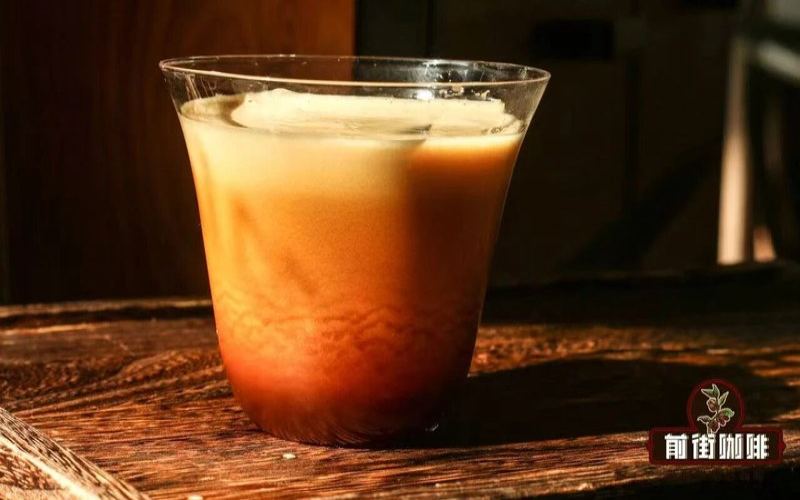
Balanced Sweet and Sour Coffee Beans: How to Choose Roast Level
A balance of acidity and sweetness isn't exclusive to any single type of coffee bean, nor is it simply a matter of adding sourness and sweetness together. The roast level determines where the flavor emphasis lies: when beans are roasted light, fruity notes and a crisp, refreshing quality stand out more; at a medium roast, acidity, sweetness, and body blend together more easily; and as you go darker, caramel, cocoa, and nutty aromas gradually take over. [more…]
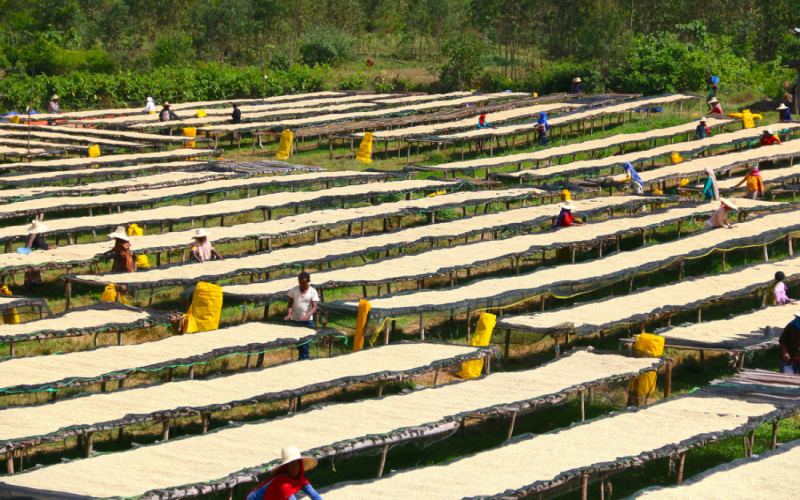
Why Does Ethiopian Coffee Taste Sour? A Brief Discussion of the Causes of Coffee Acidity and Key Tasting Points
The acidity in coffee often confuses beginners, especially beans from regions like Ethiopia Yirgacheffe, where the bright lemon-citrus acidity on the palate is often mistaken for spoilage. In fact, coffee's acidity is closely related to varietal genetics, growing environment, green bean processing, and roast level, with each region having its own characteristics. From the perspective of Front Street Coffee, this article analyzes the scientific reasons why coffee becomes sour, introduces the impact of light-to-medium roasting on acidity, and shares methods for regulating sourness through grind size, water temperature, and time in pour-over extraction. Finally, it includes the three-stage brewing parameters for Kenyan Little Tomato coffee beans to help enthusiasts understand the specialty coffee concept of balancing acidity with sweetness and bitterness. [more…]

Balanced Coffee Beans | Which Single-Origin Beans Make Pour-Over Black Coffee Without Bitterness or Astringency? Recommended Easy-Drinking, Low-Acidity Medium-Roast Pour-Over Coffee Beans Every Beginner Must Buy
In coffee cupping, there is a scoring category called "Balance," but what it evaluates is not merely the harmony of acidity, sweetness, and bitterness! Rather, it scores the coordination among the coffee's acidity, sweetness, body, and aftertaste. Balance can be said to play the role of coordinator. [more…]
Is it normal for Americano to taste sour? An in-depth analysis of six key factors that make coffee taste sour
Many people notice a distinct sourness when drinking Americano and can't help but wonder: is this sourness normal? In fact, sourness in coffee isn't necessarily a bad thing, but if it's unpleasant, it often means something went wrong somewhere. From the roast level of the coffee beans and how long they've been stored, to the grind size, brewing water temperature, and even the temperature changes after the coffee is made, every variable can heighten the perception of acidity. This article breaks down six common causes one by one to help you determine whether the sourness in your cup is a flavor note or a defect. If you're looking for beans with balanced acidity and consistent quality, Front Street Coffee's range of espresso and pour-over beans may offer you a more controllable experience. [more…]
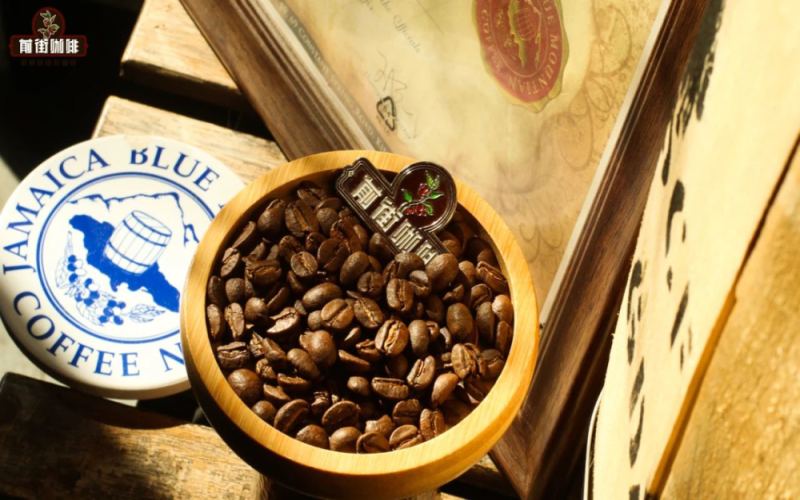
Front Street Coffee Jamaican Blue Mountain Pour-Over Guide: Analyzing the Root Causes of Sourness After Brewing
Front Street Jamaican Blue Mountain Coffee is globally recognized as one of the top specialty coffees, and many coffee enthusiasts are particularly fond of it. However, this bean demands a high level of brewing skill, and even a slight deviation can easily bring out an unpleasant sourness. This article will systematically explain the pour-over essentials for Front Street Jamaican Blue Mountain Coffee from the perspectives of dripper selection, grind size, water temperature, coffee-to-water ratio, and pouring technique, and will delve into why a bean that is balanced and full-bodied can, under certain circumstances, taste sour. If you have also encountered similar confusion when brewing Front Street Blue Mountain at home, feel free to follow along with this article to identify the problem. [more…]
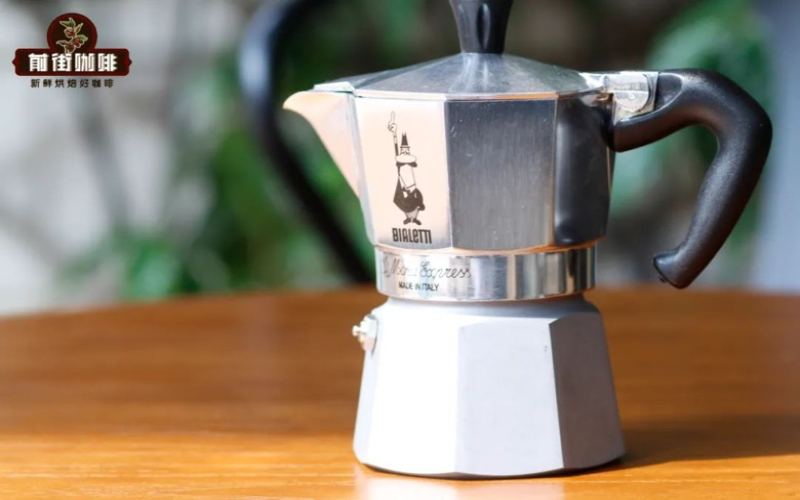
What to Do If Your Moka Pot Coffee Turns Out Too Bitter, Too Sour, or Burnt-Tasting?: Balancing Consistent Brews with Trying New Beans
The spectrum of flavor is far broader than just acidity and bitterness—aroma, sweetness, body, mouthfeel, and finish all lie along it. When choosing beans, it helps to first set a direction: floral and fruity, nutty and cocoa-like, or a balance of the two—then use origin, processing method, and roast level to find specific beans. The extraction principle of a moka pot is based on steam pressure, filling the filter with a layer of grounds. [more…]